Dr. Islam Azzam:
- Cybersecurity is a cornerstone for successful digital transformation in non-banking financial activities.
- Integrated regulatory frameworks support the expansion of FinTech and foster innovation.
- Resolution No. 139 of 2023 is a pivotal step in developing technological infrastructure and building corporate digital capacities.
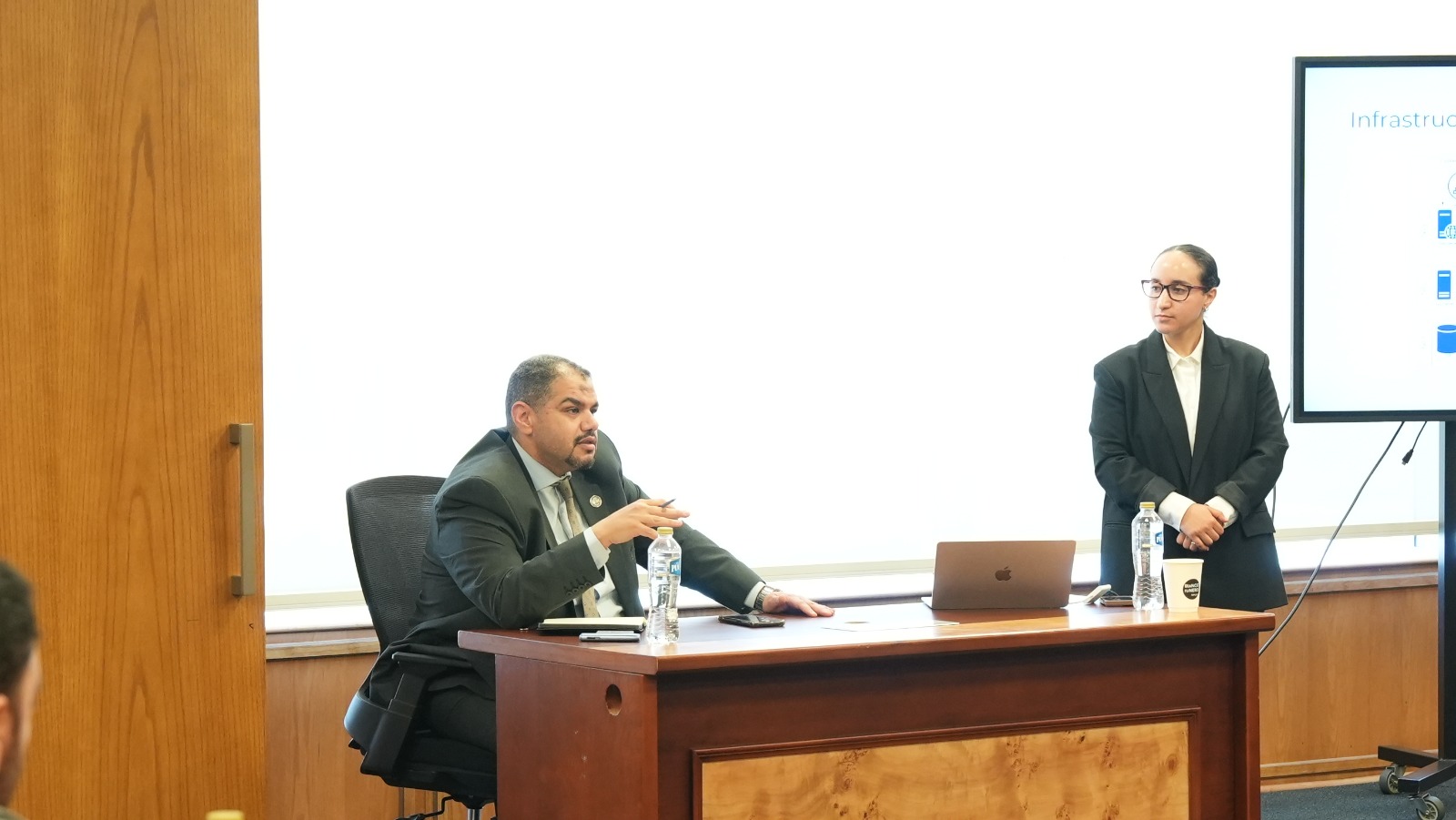
As part of its ongoing commitment to develop the non-banking financial sector and enhance its security and stability, the Financial Regulatory Authority (FRA) – via its Innovation Center and Regulatory Sandbox, in collaboration with Liquid C2 – hosted a specialized awareness session. The session was tailored for companies under the Authority’s supervision and participants in FRA Sandbox, with a particular focus on Chief Information Security Officers (CISOs).
This initiative reflects the Authority’s dedication to help the non-banking financial sector keep pace with rapid cybersecurity developments. By strengthening compliance with regulatory requirements, FRA aims to build a more secure and resilient financial ecosystem capable of navigating escalating digital challenges.
Dr. Islam Azzam, FRA Chairman emphasized that bolstering cybersecurity is a fundamental pillar for the success of digital transformation. He noted that a robust technological infrastructure and advanced protection systems are essential to counter growing cyber threats. Such measures are vital for the secure expansion of digital applications, including digital finance platforms, e-insurance and automated non-banking financial services.

Dr. Azzam further explained that the Authority has recently adopted a comprehensive suite of regulatory and legislative frameworks to support FinTech. Key milestones include activating the Regulatory Sandbox as a testing ground for innovative solutions, and issuing regulations for FinTech usage in non-banking financial activities. These regulations encompass controls for outsourcing, cloud computing, digital identity, and data governance, alongside the establishment of rigorous cybersecurity standards.
FRA Chairman added that Resolution No. 139 of 2023 provides an integrated framework for regulating the technological infrastructure of companies adopting FinTech. This initiative helps unify standards, improve performance efficiency, and build trust in digital financial services. He stressed that FRA’s role extends beyond regulation; it actively builds the capacity of regulated entities through training and knowledge sharing, ensuring they are equipped to adopt digital business models and manage the risks associated with technological shifts.
The session featured an overview of Egypt’s cybersecurity regulatory landscape, with a deep dive into the requirements of Resolution No. 139 of 2023. Attendees explored international best practices and were provided with a practical roadmap to help their entities implement these requirements effectively.
Eng. Ahmed Khalifa, Executive Director of FRA Sandbox, highlighted the critical synergy between innovation and regulation. He described the Regulatory Sandbox as a bridge connecting promising technological concepts with solid regulatory frameworks.
He added that FRA is committed to support startups and firms in integrating cybersecurity from the design phase. This proactive approach ensures Egypt’s financial innovation meets the highest global standards.
The session was attended by 35 representatives from FRA-regulated entities. The high level of engagement during the event underscored an advanced awareness of cybersecurity issues and the importance of regulatory compliance.
Participants expressed strong interest in expanding discussions on relevant technical and regulatory aspects, particularly AI applications, Big Data analytics, and early risk detection tools. This interest underscores a growing consensus that investing in cutting-edge tech is vital for maintaining a competitive edge in today’s market.
Tags: Strengthening Cybersecurity in Non-Banking Financial Activities Last modified: April 30, 2026