
- A minimum capital requirement of EGP 50 million.
- Mandatory appointment of 12 key functional roles.
- A 3-month grace period for status regularization.
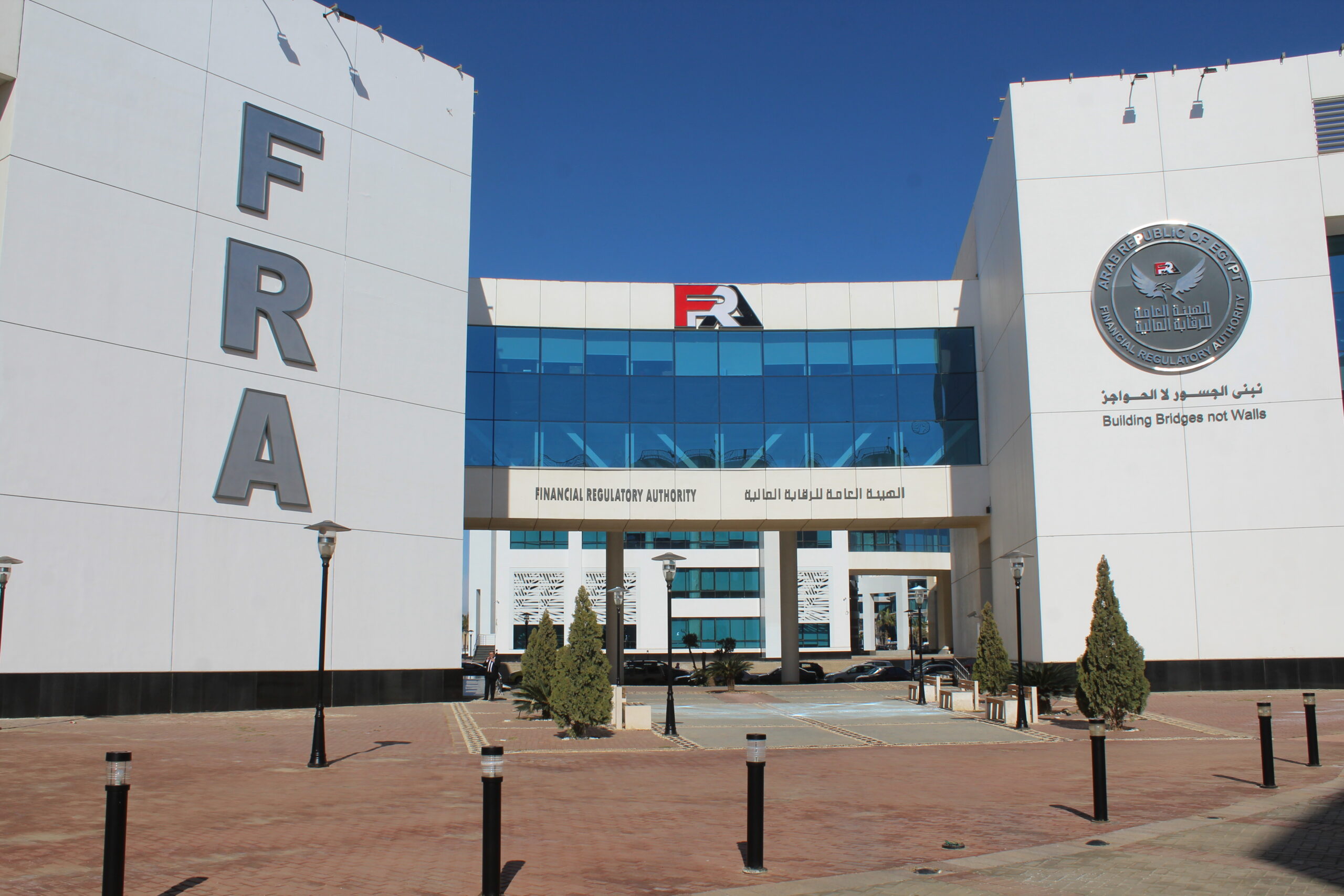
Financial Regulatory Authority (FRA) has issued a resolution outlining the requirements and licensing conditions for Futures Brokerage. This move aims to complete the legislative and regulatory framework for the derivatives market, enhance risk management efficiency, ensure the readiness of operating companies, maintain market stability, and protect investor rights.
Resolution No. 7 of 2026 – issued on January 14, 2026, by the Board of Directors chaired by Dr. Mohamed Farid, Minister of Investment and Foreign Trade and former FRA Chairman – enacts a comprehensive framework of financial, technical, and administrative mandates. These regulations ensure that operations align with the highest benchmarks of corporate governance and institutional integrity.
Regarding financial mandates, the resolution requires applicants to have a minimum issued and paid-in capital of EGP 50 million (or its foreign currency equivalent). Companies must also comply with ownership structure regulations and shareholder ratios as per the rules governing non-banking financial activities, specifically Resolution No. 177 of 2024.
The resolution mandates a cash insurance deposit equal to 0.5% of the issued and paid-in capital to cover financial liabilities arising from regulatory breaches. Additionally, a non-refundable application fee of EGP 5,000 is required for license review.
On the technical side, companies must possess a secure, integrated technological infrastructure. This includes centralized servers, licensed operating systems, advanced data protection, and an effective internal control system. To ensure Business Continuity, firms must maintain a secondary operational site physically separate from the main headquarters.
The resolution obligates companies to develop a comprehensive Risk Management Operational Manual. This manual must detail the identification, measurement, and monitoring of market, credit, concentration, operational, and liquidity risks, alongside mitigation and reporting policies to ensure regulatory compliance and operational sustainability.
Administrative governance standards require board members to possess a clean legal record and a “good reputation.” The majority of the board, including the Chairman, must have at least five years of experience in exchange-traded markets. The Managing Director must be dedicated exclusively to executive management, and the Operations Manager must have a minimum of seven years of relevant experience.
Futures brokerage firms must staff a minimum of 12 key positions, including: CEO, Operations Manager, Trading Manager, Risk Manager, Internal Controller, AML/CFT Officer, CFO, Account Manager, Internal Auditor, Floor Trader (Contracts), IT & Information Security Officer, and HR Manager. Specific technical expertise is required for leadership roles.
To safeguard participants, firms must verify a client’s financial solvency before executing orders. They are required to manage escrow accounts, monitor client positions daily based on settlement prices, and satisfy margin requirements. Companies may also join clearing and settlement company as “Settlement Members” subject to governing rules.
FRA mandates strict client data confidentiality and the use of its standardized contract templates, which must explicitly detail collateral, fees, and default protocols. The resolution strictly prohibits “no-loss” guarantees or loss-capping representations. Firms must provide a Risk Disclosure Statement at onboarding, to be updated annually or upon any material amendment.
Companies must retain physical records for a minimum of five years and electronic records for 15 years, ensuring FRA has full access for inspections. The Authority reserves the right to conduct on-site examinations to verify ongoing compliance with these requirements.
The resolution organizes the transition for existing securities brokerages wishing to add futures brokerage to their license. They must meet capital and equity requirements, be free of active administrative measures, and submit comprehensive technical and financial documentation.
Licensed futures brokerage firms operating at the time of the resolution’s issuance are granted a three-month grace period to regularize their status. This period may be extended upon FRA’s approval of a justified request.
This resolution reflects FRA’s commitment to build a disciplined, efficient futures market. By providing advanced tools for risk management and hedging, it enhances the competitiveness of the Egyptian capital market and boosts the confidence of both domestic and international investors.
Tags: Financial Regulatory Authority (FRA), Futures Contracts, Futures Brokerage, EGP 50 Million Minimum Capital, Derivatives Market Last modified: February 17, 2026