FRA Chairman:
- Developing the Committee’s activities to meet the evolving needs of emerging markets while strengthening investor protection.
- Knowledge sharing and institutional capacity building remain fundamental for developing emerging markets.
- Interest rate, refinancing, and AI-driven risks have an amplified impact on less mature markets.
- Cross-border cooperation is a vital tool for addressing different challenges.
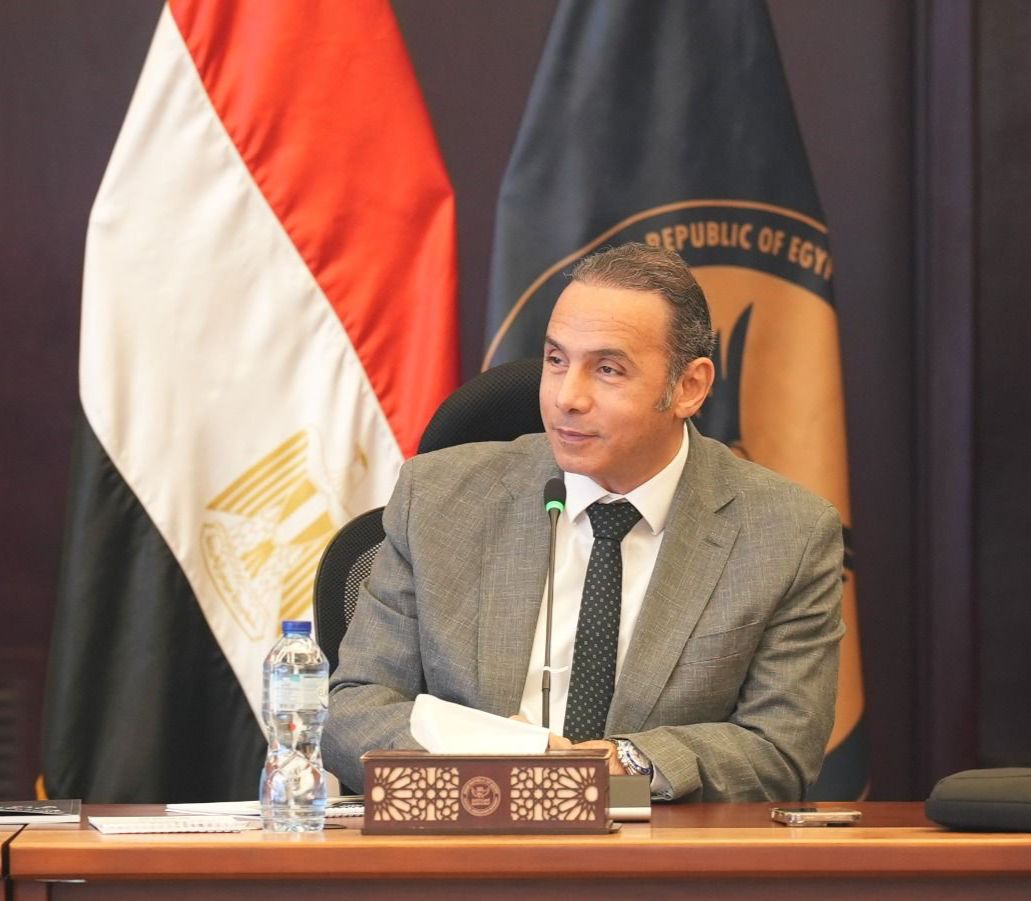
Dr. Islam Azzam, Chairman of the Financial Regulatory Authority and Chair of the IOSCO’s Growth and Emerging Markets Committee (GEMC) presided over the Committee’s first virtual plenary meeting of 2026. The session witnessed broad participation from Committee members, representatives of regulatory bodies, and Capital Market Authorities across developing and emerging countries. The meeting underscores the Committee’s pivotal role in driving market development and fostering international cooperation among regulatory bodies.
As the largest Committee within IOSCO, the GEMC represents over 75% of the organization’s membership, including 90 full members and 24 non-voting associate members. Its reach spans the world’s fastest-growing economies and 10 G20 nations. As the preeminent global standard-setter, IOSCO defines the frameworks for market fairness, transparency, and efficiency – standards now adopted by approximately 95% of the world’s securities regulators.
Dr. Azzam opened the meeting by welcoming Committee members and expressing his gratitude for the support following his election as GEMC Chair in March 2026. His tenure covers the remainder of the 2024–2026 term as well as the upcoming 2026–2028 cycle. He reaffirmed his commitment to strengthening the Committee’s influence and expanding the support provided to its 117 members, solidifying its position as a cornerstone of IOSCO and a primary advocate for emerging market interests on the global stage.
- A Global Platform for Expertise and Policy Formulation
In his keynote address, FRA Chairman underscored the GEMC’s role as a vital global platform for exchanging regulatory expertise and addressing high-priority issues for emerging economies. He highlighted the strategic significance of the chairmanship, noting that the GEMC Chair concurrently serves as the Vice Chair of the IOSCO Board. This dual mandate underscores the Committee’s institutional weight and its pivotal role in shaping international regulatory frameworks for capital markets.
Dr. Azzam further highlighted the necessity of continuously developing the Committee’s agenda to reflect the unique needs of emerging markets. He stressed that this development is essential for achieving IOSCO’s core objectives: protecting investors, ensuring market integrity and efficiency, and maintaining financial stability. These goals remain paramount in the face of accelerating global challenges, including shifts in financial technology, rapid digitalization, and the emergence of innovative investment instruments.
IOSCO Board Support and Capacity Building Initiatives
The meeting featured the participation of Jean-Paul Servais, Chairman of the IOSCO Board. During his presentation, Dr. Islam Azzam emphasized the vital support provided by the Board to the Growth and Emerging Markets Committee (GEMC). He noted that this backing reinforces the Committee’s position as a premier platform for exchanging shared experiences and strategic insights into the complexities of emerging market.
Rodrigo Buenaventura, the Secretary General of IOSCO, also participated in the session. Discussions focused on the organization’s capacity-building activities designed to support Committee members, alongside a review of the “Market Development Survey” results conducted in March 2026 to define future work priorities.
While moderating the discussions, Dr. Azzam asserted that capacity building and knowledge sharing are fundamental pillars for market development. He stressed the importance of prioritizing efforts amid the diverse topics facing emerging markets, while leveraging strategic partnerships with international institutions – including the World Bank, the IMF, and regional development banks – to enhance market efficiency and regulatory capabilities.
He further explained that the Committee, in coordination with the General Secretariat, will ensure that upcoming meetings and workshops reflect the actual priorities of emerging markets. These efforts aim to support capital market development, ensure financial stability, and promote both inclusion and sustainability.
- Analyzing Global Debt Risks and Emerging Market Challenges
The meeting included extensive discussions on global market developments and the trends and risks impacting emerging economies. Carmine Di Noia, Director for Financial and Enterprise Affairs at the OECD, presented key findings from the 2026 Global Debt Report. He highlighted escalating challenges in global debt markets, primarily driven by high interest rates, refinancing risks, shifting investor sentiments, and growing borrowing needs, despite the markets’ continued resilience. The presentation also addressed how these developments affect emerging economies’ ability to deepen local bond markets and attract long-term investors.
Additionally, Eudald Canadell, Chair of the IOSCO Committee on Emerging Risks, and Dr. Igor Kozhanov, Vice Chair, presented the “2026 Risk Outlook” report. The report examined several escalating issues relevant to emerging markets, including the evolution of Exchange-Traded Funds (ETFs), increased retail investor participation in private markets, shifts in market behavior, and the expanding use of Artificial Intelligence (AI) in financial products and services. It also covered regulatory and supervisory challenges related to digital assets and cross-border activities. Participants discussed the importance of strengthening supervisory tools, utilizing Supervisory Technology (SupTech), and developing flexible, risk-based regulatory frameworks to keep pace with these rapid changes.
In this context, Dr. Azzam emphasized that these risks hold double the significance for developing and emerging markets, particularly in less mature environments that may struggle with liquidity, disclosure, or regulatory resource constraints. He stressed the importance of adopting balanced and practical regulatory responses centered on enhancing disclosure, advancing supervisory tools, and ensuring that regulatory frameworks remain technologically neutral while focusing on risk management.
FRA Chairman concluded by highlighting the importance of cross-border cooperation in addressing risks of a global nature. He reaffirmed that the GEMC continues to play a vital role in facilitating the exchange of successful regulatory experiences among members, thereby contributing to market development and increasing readiness to handle international shifts.
At the end of the meeting, Dr. Azzam expressed his appreciation for the members’ productive interaction and confirmed that the Committee will continue to serve as an effective platform for supporting emerging markets.
Tags: Chairman of the Financial Regulatory Authority, Chairman of the Financial Regulatory Authority, Growth and Emerging Markets Committee (GEMC) Last modified: May 14, 2026