- Non-banking financial services offer creative, development-focused tools, while financial technology (FinTech) breaks down barriers and strengthens consumer protection.
- Responsible microfinance serves as a vital engine for driving the economic empowerment of female entrepreneurs.
- Investment funds provide secure, strictly regulated institutional vehicles designed to preserve capital and foster long-term savings growth.
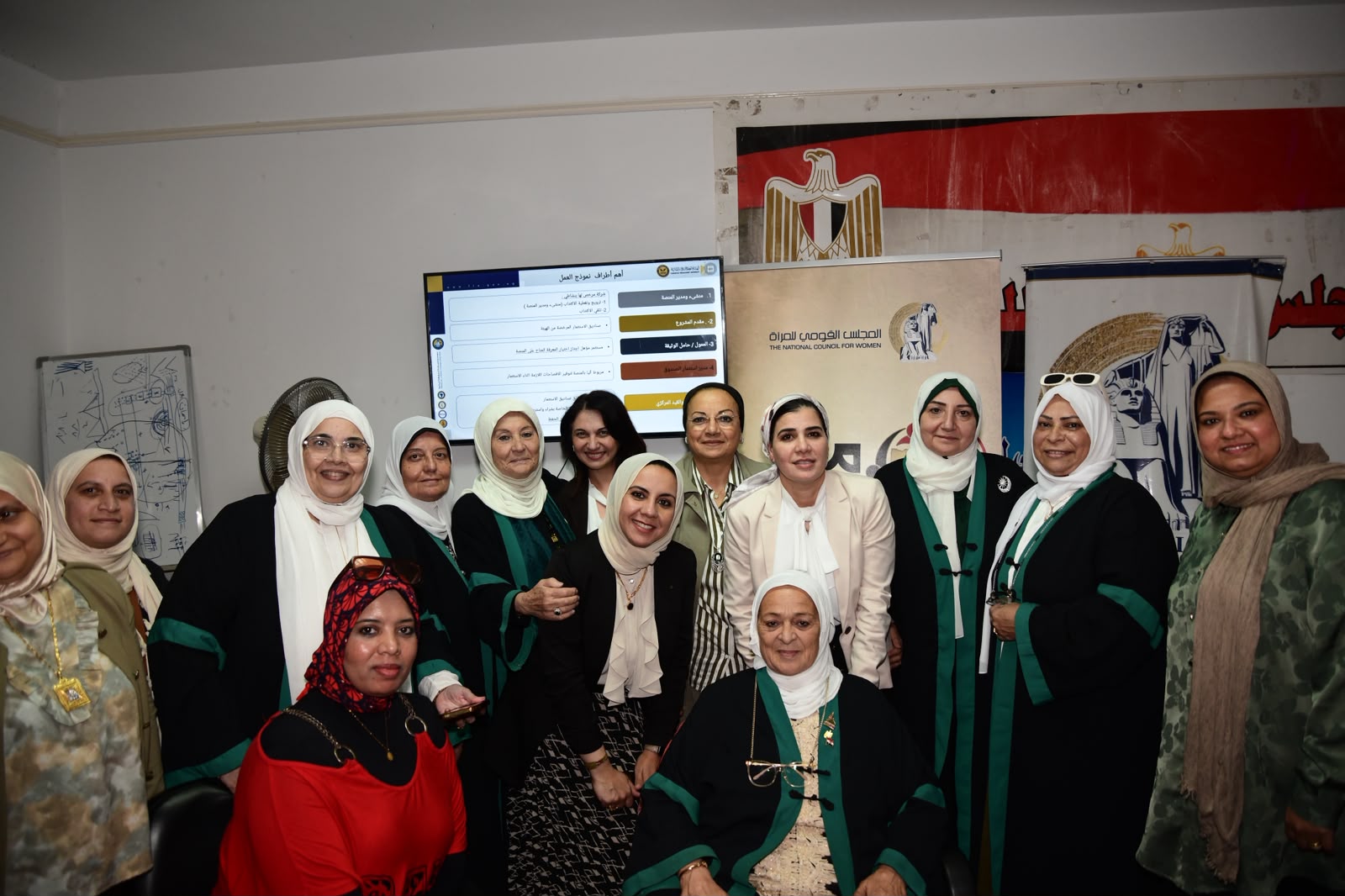
As part of “Building Capacity, Driving Development” conference—held under PM auspices – Financial Regulatory Authority (FRA) hosted a specialized technical workshop at National Council for Women (NCW) in Alexandria. The session followed the official opening of the conference yesterday by FRA Chairman Dr. Islam Azzam and Alexandria Governor Engineer Ayman Attia.
Hosted by Dr. Magda El-Shazly, Head of the NCW Alexandria Branch, the session focused on integrating women into the formal non-banking financial sector (NBFS). It aimed to equip female attendees with operational and legal knowledge to utilize financing and investment tools effectively, safeguarding their savings while scaling their business projects.
Yasmine Hassan, Deputy Head of the Central Dep. For Technical Offices at FRA and Deputy Chair of Equal Opportunities Working Group opened the session. She presented the structure of the non-banking financial market, moving from general concepts to practical applications and demonstrating how available financial products can be tailored to meet women’s specific financial goals.

She highlighted regulated investment avenues as secure alternatives to protect and grow personal savings under direct regulatory supervision, steering women away from unlicensed financial entities. She detailed the institutional landscape of the market, including insurance companies, private pension funds and insurance pools covering specialized risk categories.
In addition, Yasmin Hassan highlighted how financial technology (FinTech) solutions—including digital finance, mobile investment tools and micro-insurance platforms—eliminate geographic barriers for women seeking non-banking financial services. She concluded by detailing the Authority’s consumer protection mechanisms, outlining formal grievance procedures and strict disclosure standards aimed at safeguarding clients against fraud and misleading practices.
Addressing business finance, Dr. Amal Salah, Deputy Head of MSME Finance Central Dep. and member of Equal Opportunities Working Group, presented a detailed analysis of the microfinance sector as a primary catalyst for the economic empowerment of female breadwinners and women entrepreneurs. She outlined financial and regulatory criteria used to classify projects, explaining how the sector helps transition informal micro-enterprises into the formal economy.
Dr. Amal Salah shed light on principles of responsible finance, outlining clients’ rights to receive transparent repayment schedules, understand the true cost of funding and avoid over-indebtedness through multiple borrowing channels.
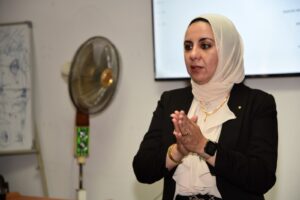
She also underscored FRA’s regulatory mandate, which begins with licensing financing companies and civil society organizations (NGOs) and extends to on-site inspections and periodic off-site audits. These measures ensure that financial institutions adhere to fair pricing models and refrain from predatory debt collection practices.
On the other hand, Sally George, Chairman Associate for Mutual Funds’ Affairs and member of Equal Opportunities Working Group, provided an in-depth breakdown of how investment funds operate. She clarified contractual mechanisms, noting that the fund prospectus serves as the legally binding document detailing investment strategy, fee structures, and acceptable risk profiles.

She explained how mutual and investment funds allow women to enter capital markets with relatively small sums by purchasing fund certificates (units), achieving risk diversification that is difficult for individual retail investors to manage independently.
She outlined the available fund categories—from money market and fixed-income vehicles to growth equity funds. She detailed cash flow mechanisms and highlighted the role of licensed investment managers in overseeing subscriber assets. She emphasized FRA’s rigorous daily monitoring of asset valuations and routine financial statement approvals, which maintain market discipline and promote long-term financial security for women and the broader community.
This session underscores FRA’s core strategy: using financial literacy to drive women’s economic empowerment. By combining strong regulatory safeguards with educational outreach, the Authority enables women to safely access non-banking financial tools, ensuring their full integration into the formal economy as active contributors to national growth.
Tags: " Building Capacity, Driving Development" Conference, Financial Inclusion and Safe Investment & Financing Mechanisms, National Council for Women in Alexandria Last modified: October 18, 2026