- New Facilities from FRA for Investment Fund Investors.
- The mandatory retention requirement for units issued in exchange for in-kind shares has been reduced from 100% to a minimum of 51%.
- Easing exit regulations by linking the end of the unit lock-up period to the fund’s disposal of the in-kind subscription.
- Transfer of ownership for the restricted 51% holding is permissible to banks, insurers, or specialized financial vehicles, contingent upon approval from the Authority and unitholders.
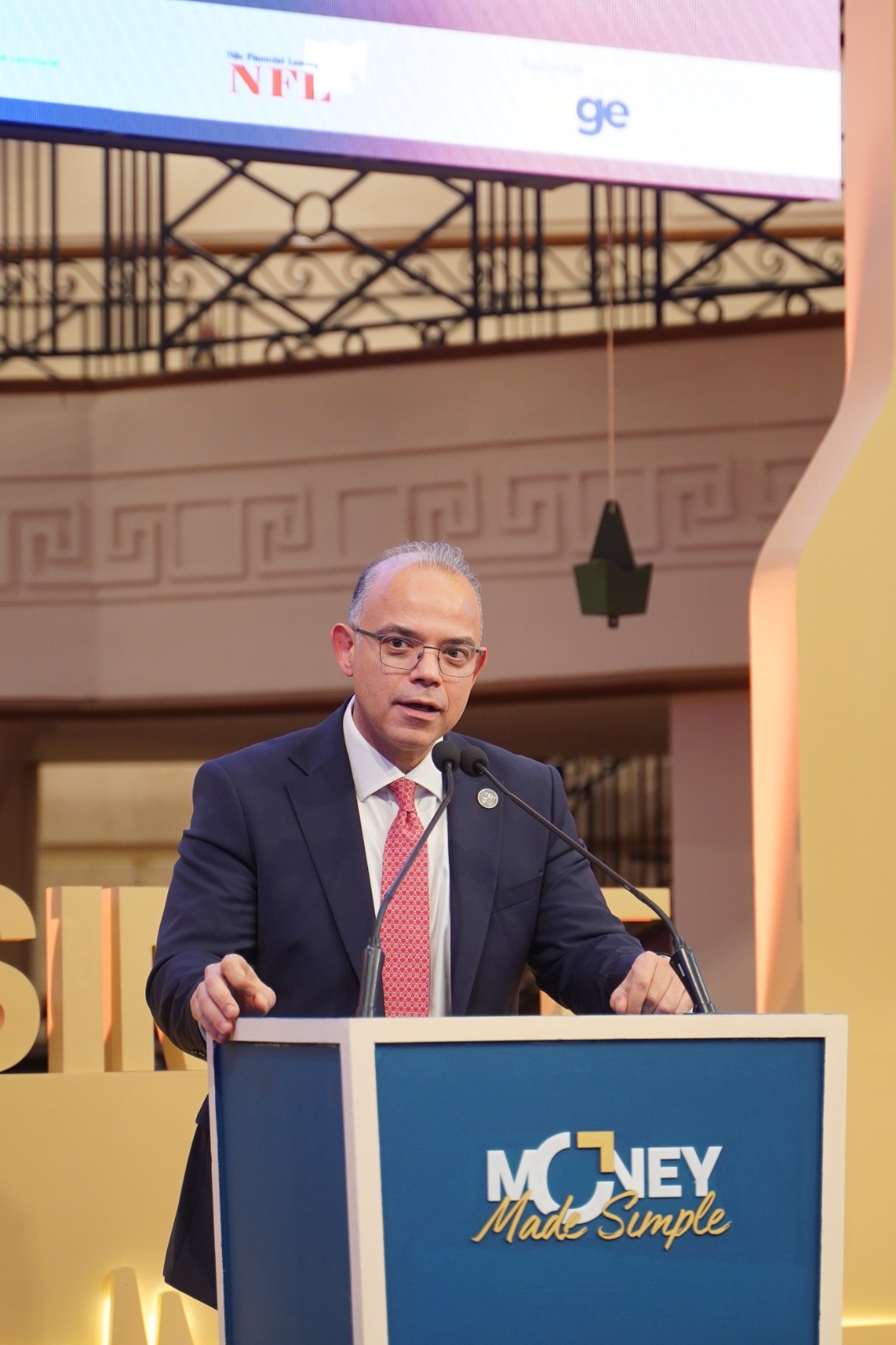
In a strategic move to bolster the flexibility of the investment fund sector, Financial Regulatory Authority (FRA), chaired by Dr. Mohammed Farid, has approved new amendments to in-kind subscriptions for investment funds. These changes enable investors to deploy their non-cash assets more effectively, aligning with modern market demands and financial development goals.
Under resolution no. 9 of 2026, contributors of in-kind assets must refrain from transferring 51% of their units for two years, or until the fund disposes of the asset – whichever comes first.
The previous regulation mandated a total two-year lock-up on all units from the date of issuance, rendering any unauthorized disposal legally void.
FRA’s new resolution permits the transfer of retained units during the lock-up period to institutional investors – such as banks, insurers, or specialized investment entities – provided the buyer is independent of the fund manager. Such transfers require the approval of FRA and unit-holders, with the new owner committing to the remaining retention period.
FRA resolution further stipulates that these units may be pledged, provided that such a pledge does not result in the transfer of ownership to any party other than the pledgee during the aforementioned period. If the units are listed on an exchange, the investment manager is obligated to notify the exchange and MCDR of the restrictions imposed on the units issued via in-kind contributions.
According to the regulatory guidelines, in-kind subscriptions must be permissible investment vehicles consistent with the fund’s objectives. A primary eligibility requirement is that the contributing entity must be in good standing, with no pending bankruptcy declarations or liquidation orders.
In the event that the in-kind subscription consists of real estate assets, they must be officially registered with the Real Estate Registry or have a formal allocation decree issued by a competent state authority. Additionally, the assets must be free of any ongoing legal disputes. In-kind contributions may also take the form of either listed or unlisted shares.
The approval of the fund’s Board of Directors is required to present the in-kind subscription to the unit-holders, subject to a two-thirds quorum.
In terms of benefits, the fund can invest directly in the in-kind asset – whether registered real estate or listed/unlisted shares- to generate periodic income or capital gains. Partial exits are also permitted by transferring ownership of a portion of the asset, subject to approval from FRA and unit-holders, while maintaining the legal retention ratio. This grants the fund greater flexibility in portfolio management and yield optimization.
These amendments reflect the Authority’s commitment to develop a more flexible and transparent investment environment, supporting financial development goals and incentivizing investor participation in the investment funds market. The Authority reaffirms its dedication to evolving regulatory frameworks that balance investor protection with the empowerment of investors to fully utilize available investment instruments.
Last modified: February 8, 2026