- FRA has canceled 518 licenses, all assigned to non-governmental associations and institutions Category (C).
- The Authority’s inspections revealed that the violating entities were neither actively providing microfinance nor submitting mandatory financial reports.
Dr. Mohamed Farid:
- Building a strong non-banking financial sector requires standardizing regulatory records, eliminating non-compliant firms, and supporting compliant institutions.
- The digitalization of the sector critically depends on the availability of accurate data and metrics concerning the size and performance of its activities.
- Our goal is to build a highly efficient market capable of delivering critical financing to the most vulnerable people.
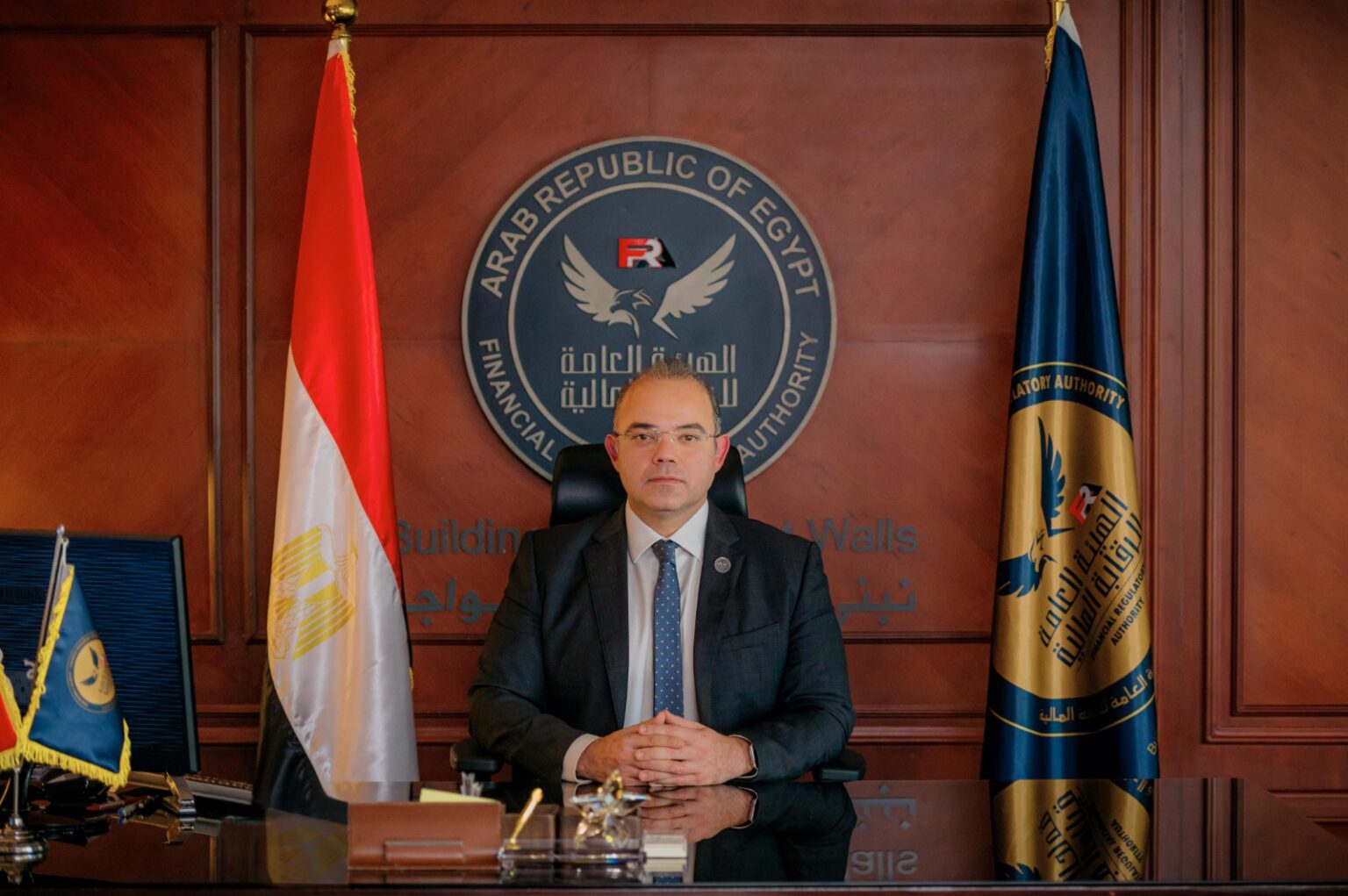
In the framework of the Financial Regulatory Authority (FRA)’s efforts chaired by Dr. Mohamed Farid, to enhance the discipline and efficiency of the microfinance sector, FRA Board of Directors issued a new resolution to revoke the licenses of 260 non-governmental associations and institutions classified under Category (C). This action follows proven violations of the legal and regulatory controls governing the activity, bringing the total number of revoked licenses to 518.
FRA had previously issued a similar resolution on November 16th to revoke the licenses of 258 non-governmental associations and institutions (Category C) due to non-compliance with the regulatory controls for practicing microfinance activity.
Continuous inspections conducted by the Authority on entities under its supervision, as part of its strategy to raise market efficiency, revealed that the 260 Category (C) microfinance institutions had completely failed to conduct operations and provide any financing services to the target groups. Furthermore, they showed persistent failure to submit mandatory periodic reports and financial statements, which prevented the Authority from assessing their financial status and monitoring performance.
Dr. Mohamed Farid, FRA Chairman commented that these measures are essentially a restructuring aimed at ensuring the sector’s evolution. He stressed that non-adherence to regulatory controls hinders market efficiency and necessitates the Authority’s intervention.
He asserted that the Authority aims to accelerate the digitization of the sector to ensure data quality and facilitate supervisory monitoring. Dr. Farid warned that the presence of entities failing to send regulatory reports will negatively impact market efficiency, thereby threatening desired development and growth.
FRA Chairman affirmed the Authority’s primary commitment is to the financial empowerment of the most vulnerable groups. To achieve this, the FRA actively seeks to support and strengthen institutions that demonstrate a responsible and fully transparent ability to deliver financial inclusion. This targeted support is designed to enhance the capacity and operational efficiency of compliant institutions.
Dr. Farid highlighted that the Authority will dedicate resources to provide intensive technical support and advanced training programs in collaboration with the Egyptian Microfinance Federation. This is aimed at enabling serious institutions to lead the next phase of non-banking financial expansion. He concluded that FRA’s philosophy is rooted in enhancing sector efficiency and building a strong, resilient and sustainable market.
It is noteworthy that the license revocation is strictly limited to the microfinance activity and does not affect the legal entity status of the associations or their other community activities authorized by the Ministry of Social Solidarity.
Dr. Farid called upon the associations subject to the resolution to continue their developmental role and redirect their efforts towards their other community fields of work, such as health, education and social solidarity. He urged their effective participation in the state’s development plans and initiatives, emphasizing that the Authority appreciates the role of NGOs in Egypt and that the cancellation of a financial license does not diminish the importance of their other societal functions.
He pointed out that the Authority did not resort to this measure until after granting the non-compliant associations a sufficient period to rectify their status and meet licensing requirements and after exhausting all means of communication and warnings without any response. This decisive intervention was necessary to preserve market stability and protect the rights of stakeholders.
He affirmed that the Authority, in cooperation with the Egyptian Microfinance Federation and partner entities, will continue to provide technical support to serious associations and institutions, thereby enhancing their operational capacities and supporting the establishment of a strong, disciplined and sustainable sector.
It is worth mentioning that the Authority’s official register now includes 494 licensed microfinance associations and institutions. These entities are distributed by the size of their financing portfolios as follows: category (A) includes 23 associations with portfolio value exceeding EGP 50 million. Category (B) includes 33 associations with portfolio value ranging between EGP 10 million and EGP 50 million.
Category (C) includes 438 associations with portfolio value of EGP 10 million or less.
Tags: FRA, FRA Chairman, Microfinance, 260 associations, Cancellation of license Last modified: December 14, 2025