- Anti-Fraud Committee of the Egyptian Federation for Consumer Finance coordinates with member companies and verifies the data’s accuracy.
- The new database lists individuals (employees, merchants, brokers) added by companies and approved by the Federation’s Anti-Fraud Committee for proven harmful practices.
- The database enforces FRA’s mandatory negative list for individuals proven to have conducted cash-out financing of consumer loans.
- This database is established to improve discipline, stability and consumer protection.
- The data incorporates customer credit history to assess financial solvency, inform lending decisions and ultimately reduce default risks.
- The new database empowers companies to better detect fraud and prevent cash-out financing, safeguarding customers and investors from harmful practices.
- Companies have already completed registration in the database which is electronically linked to the Authority.
- The Authority hosted a workshop for all consumer finance companies and service providers, featuring a presentation by the Federation’s Anti-Fraud Committee.
- The Authority will take decisive action against harmful non-banking financial practices.
FRA announced that the Anti-Fraud Committee of the Egyptian Federation for Consumer Finance has completed the preparation of the first centralized and unified database for entities and individuals involved in harmful practices, such as cash-out financing of consumer loans and fraud. This initiative is in implementation of FRA Board of Directors resolution mandating the Federation to prepare a negative list of all parties proven to have performed cash-out financing of loans intended for consumption. The electronic link established between companies, service providers and FRA allows immediate supervision and facilitates necessary regulatory action.
The database is a key reference for all sector stakeholders both companies and service providers. It allows them to check parties involved in harmful practices before any engagement, including hiring, granting financing or dealing with them as merchants within the approved network.

These efforts are integrated with the plans adopted and implemented by FRA, which include various executive programs covering awareness, protection and combating fraud. FRA takes necessary measures to enhance financial stability in the sector and protect the rights of all stakeholders, including shareholders, consumers, merchants and corporate credit providers. Additionally, FRA is committed to ensuring that all companies and service providers comply with the regulations and controls governing the activity through continuous and periodic monitoring. As a crucial part of its supervisory and regulatory function, FRA works to ensure the positive developmental and social impact of consumer finance, preventing harmful practices that could harm the sector or stakeholders.
The new database includes data of employees, merchants and brokers proven to have violated sector regulations. Furthermore, by including comprehensive customer credit history, the system allows accurate financial solvency assessment and supports stronger lending decisions, thereby significantly reducing default risks. This capability also enhances companies’ ability to detect fraud and cash-out financing which protects the rights of customers and investors from uncontrolled practices.

Consumer finance companies are responsible for adding data to the database, while the Federation’s Anti-Fraud Committee examines and approves it to become an official reference for companies and service providers. A group of companies has already begun registering violation data through the database which is electronically linked with the Authority.
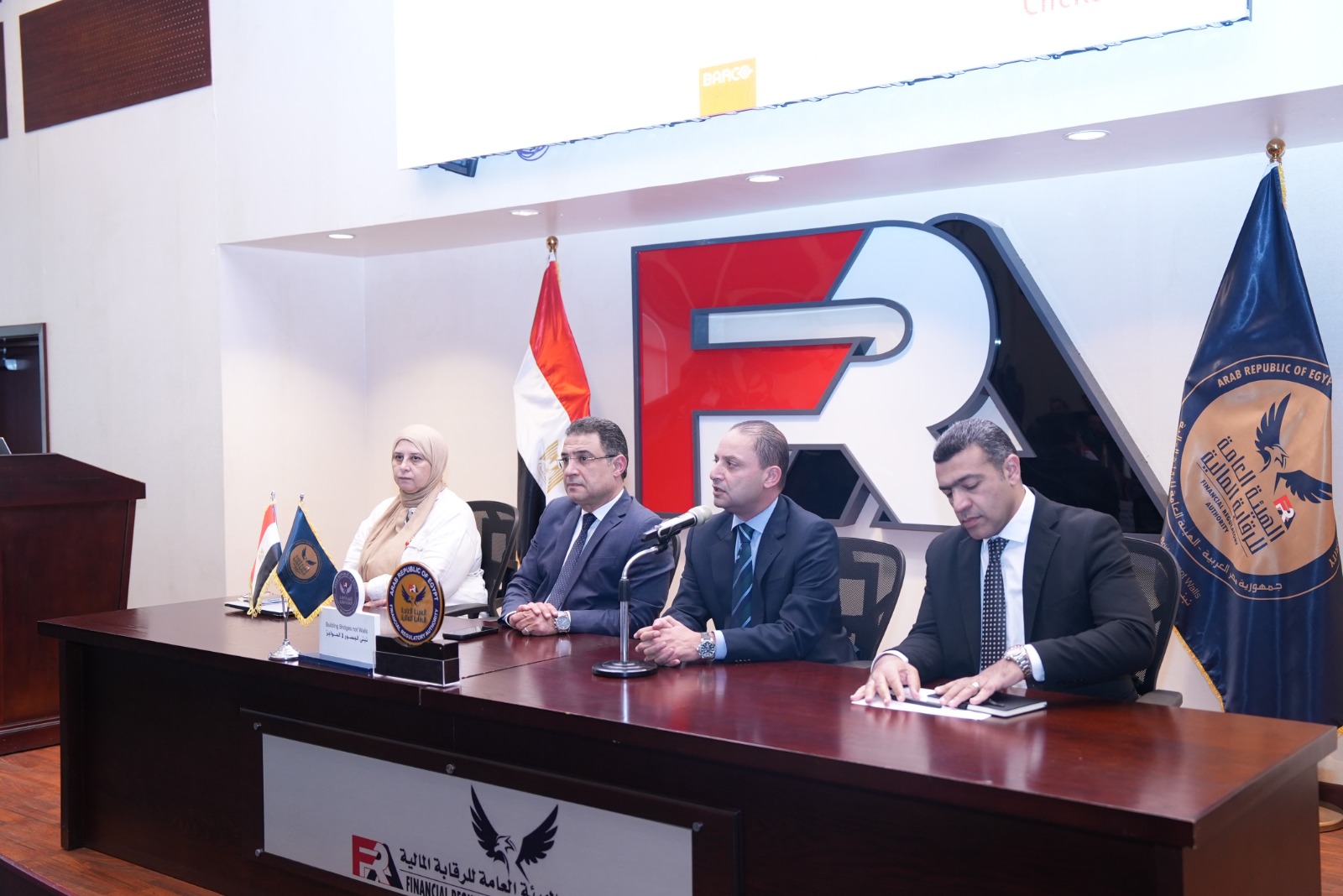
In support of the Authority’s commitment to the stability and discipline of consumer finance market, FRA organized an extensive introductory workshop for consumer finance companies and service providers to review the working mechanisms of the database dedicated to combating financial fraud and cash-out financing.
Representatives of the Federation’s Anti-Fraud Committee delivered a detailed presentation on the database’s operating mechanisms and data population procedures. Attendees included licensed companies, service providers and a broad range of consumer finance stakeholders. Notably, personnel from different departments such as Communications, Information Systems, Risk, Anti-Fraud and Anti-Money Laundering and Counter-Terrorist Financing (AML/CTF) officers attended the workshop.
The meeting included an open dialogue where the Authority reviewed its ongoing efforts to protect customers from fraud, cheating and deceit. It also addressed company inquiries regarding the mechanisms for coordination and integration in combating harmful sector practices.
The Authority stressed its zero-tolerance policy toward any activities that endanger non-banking financial markets, harm customers or compromise market stability.
Widespread Warnings for Citizens
In a related effort, the Authority intensified its awareness campaigns across various platforms. These warnings caution citizens against responding to calls for financing or investment issued by unlicensed entities or those violating non-banking financial laws, emphasizing the grave risks posed to their money and rights. Currently, the regulated consumer finance sector comprises 34 licensed companies and 12 service providers operating legally.
The activity is subjected to the Authority’s supervision in accordance with Consumer Finance Law No. 18 of 2020, which established a disciplined legal framework governing governance and transparency rules and protecting the consumer. It ensures consumers obtain safe and regulated financing for purchasing goods and services, including educational services, sports club memberships, travel and tourism, maintenance of cars and household appliances and renewable energy solutions for homes.
The Authority had previously announced – last May – a negative list containing entities proven to conduct non-banking financial activities in violation of the law, based on received complaints. This list is updated periodically according to new developments.
Dedicated Channels for Supervision and Complaints:
The Authority has established communication channels, including specific email addresses, to receive citizen complaints regarding suspicious financing. A separate email is provided for companies and institutions seeking to verify their business model’s compliance with regulatory requirements, thereby ensuring the activity’s sustainability and credibility.
The Authority’s efforts stem from its strategy of continuous consultation with consumer finance companies, ensuring that regulatory decisions and resolutions promote real developmental impact, transparency and governance in the market.
Last modified: December 2, 2025